Summary
In my current postdoctoral role at the Institute of Zoology, ZSL, I specialise in applying decision science support tools to inform conservation planning, particularly for endangered species recovery. Previous and current work in this role includes projects on: red squirrel recovery in England, chough reinforcements in Scotland, human-lion coexistence in Botswana, sturgeon reintroductions in the UK, landscape rewilding in Kent (UK), and species prioritisation for ex-situ breeding and translocations.
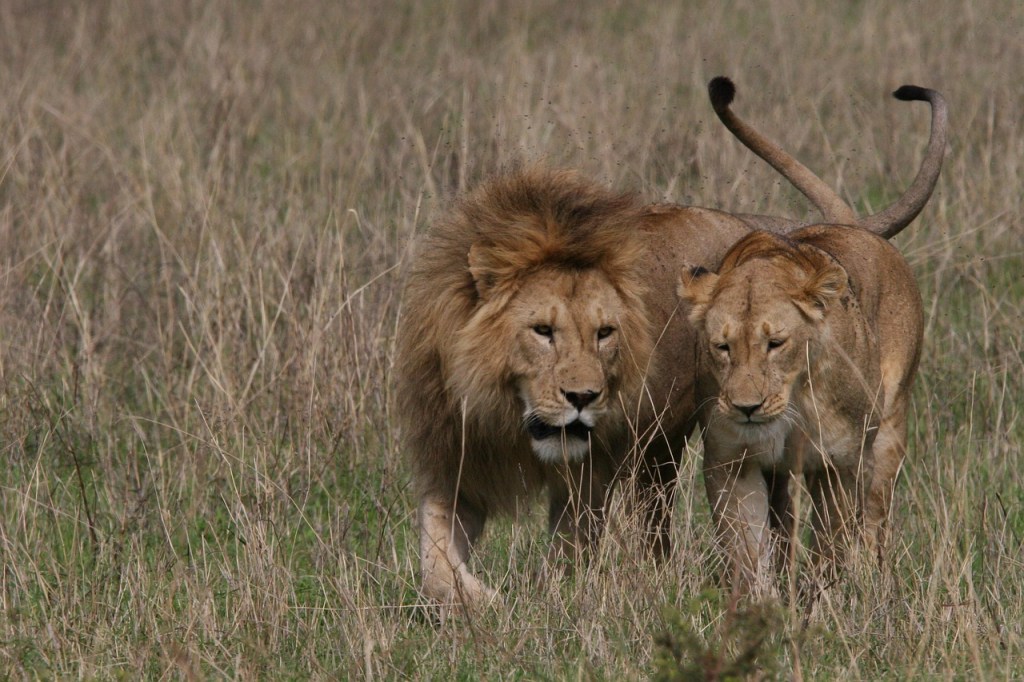
African lions, Botswana
In collaboration with Leopard Ecology & Conservation, I am currently working on applying Structured Decision Making to develop a plan of action of mitigating human-lion conflict around Khutse Game Reserve, Botswana. Stay tuned!
Red squirrels, England
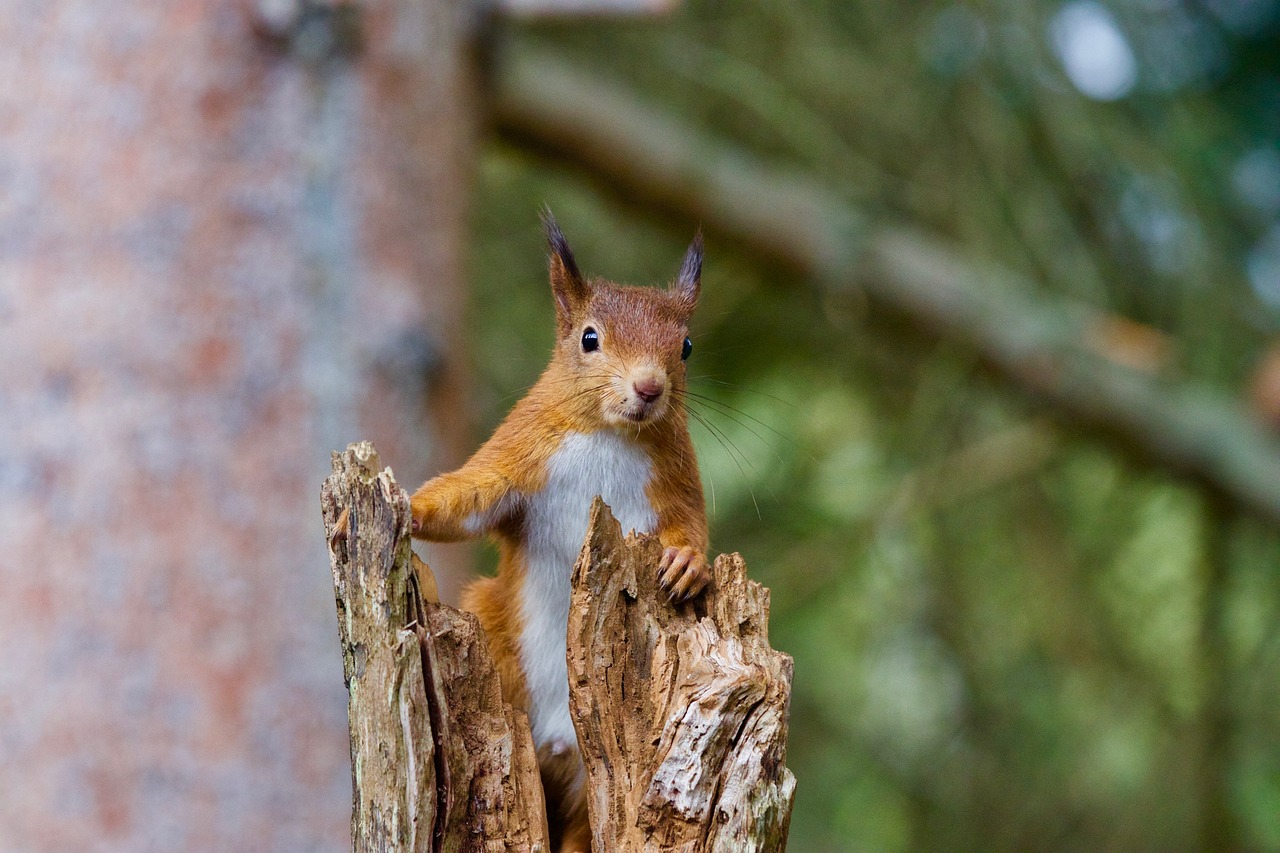
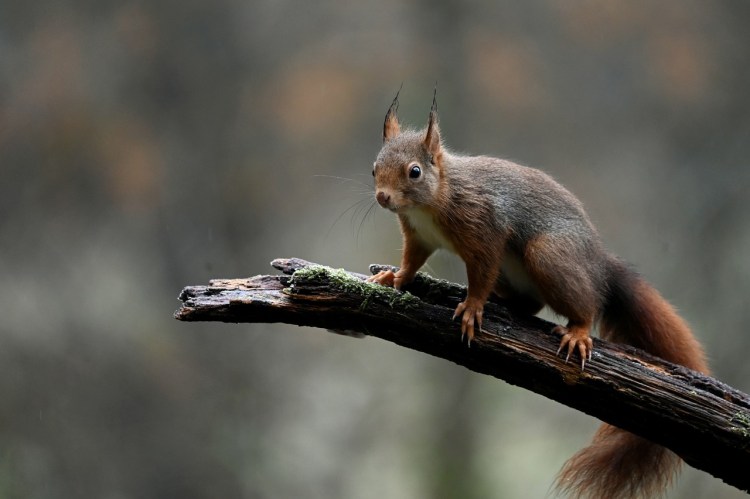
We took a Structured Decision Making (SDM) approach to help develop a national recovery strategy for red squirrels in England. Red squirrels are an Endangered native species in England that face multiple threats including competition with grey squirrels, the squirrelpox virus transmitted by grey squirrels, other infectious diseases, and habitat loss and fragmentation. Conservation actions are varied with some, primarily grey squirrel management, being less palatable to regional and national communities. Making decisions about how best to conserve red squirrels is, therefore, a complex task. The SDM approach was used to methodically think through difficult decision and allows for decisions to be informed by scientific evidence alongside the values and risk attitudes of the people involved. This research was funded by Natural England and conducted in collaboration with the UK Squirrel Accord. You can read the full report here: https://publications.naturalengland.org.uk/publication/6061891536027648
Red-billed chough, Scotland
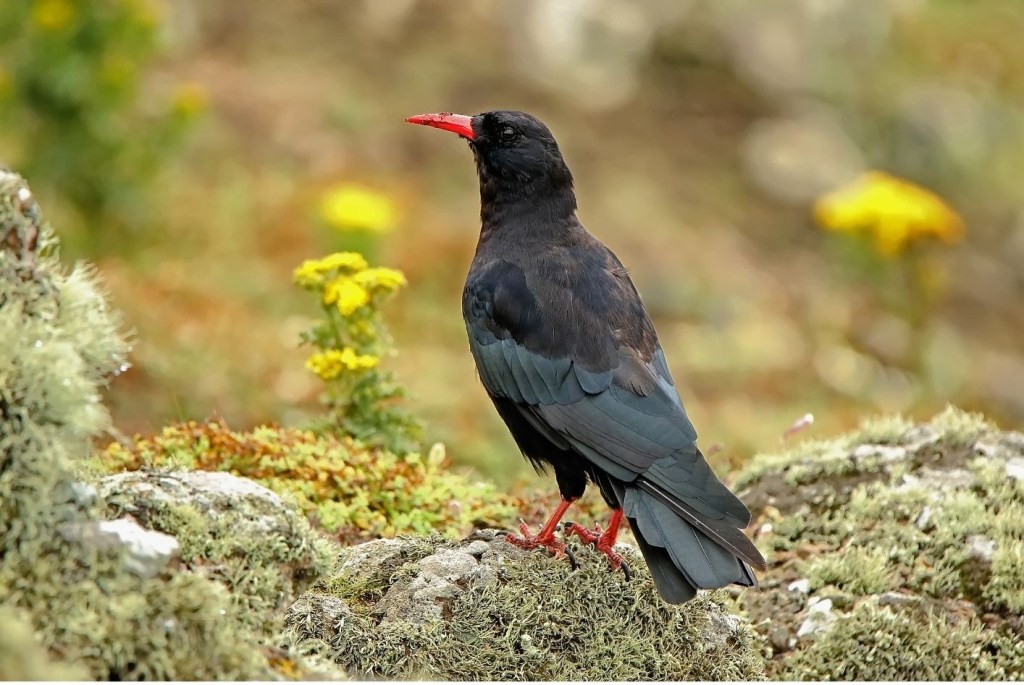
This project addressed the urgent conservation challenge facing Scotland’s red-billed chough population, now reduced to fewer than 50 breeding pairs and at high risk of extinction within the next 50 years due to habitat decline, food shortages, disease, and a genetic bottleneck. Working with the Scottish Chough Forum, we used a Structured Decision Making approach to evaluate whether and how to implement conservation translocations under uncertain habitat conditions. By combining ecological modelling, expert input, cost analysis, and stakeholder preferences, we assessed multiple strategies and their trade-offs across population persistence, welfare, cost, and naturalness. The results showed no single perfect solution, but highlighted that while acting quickly increases survival chances, delaying translocation until habitat improves is often preferred if feasible but does risk extinction if the habitat doesn’t improve. You can read the full report here: https://www.act-now.org.uk/saving-scotlands-red-billed-chough.
 Dr Bethany R. Smith