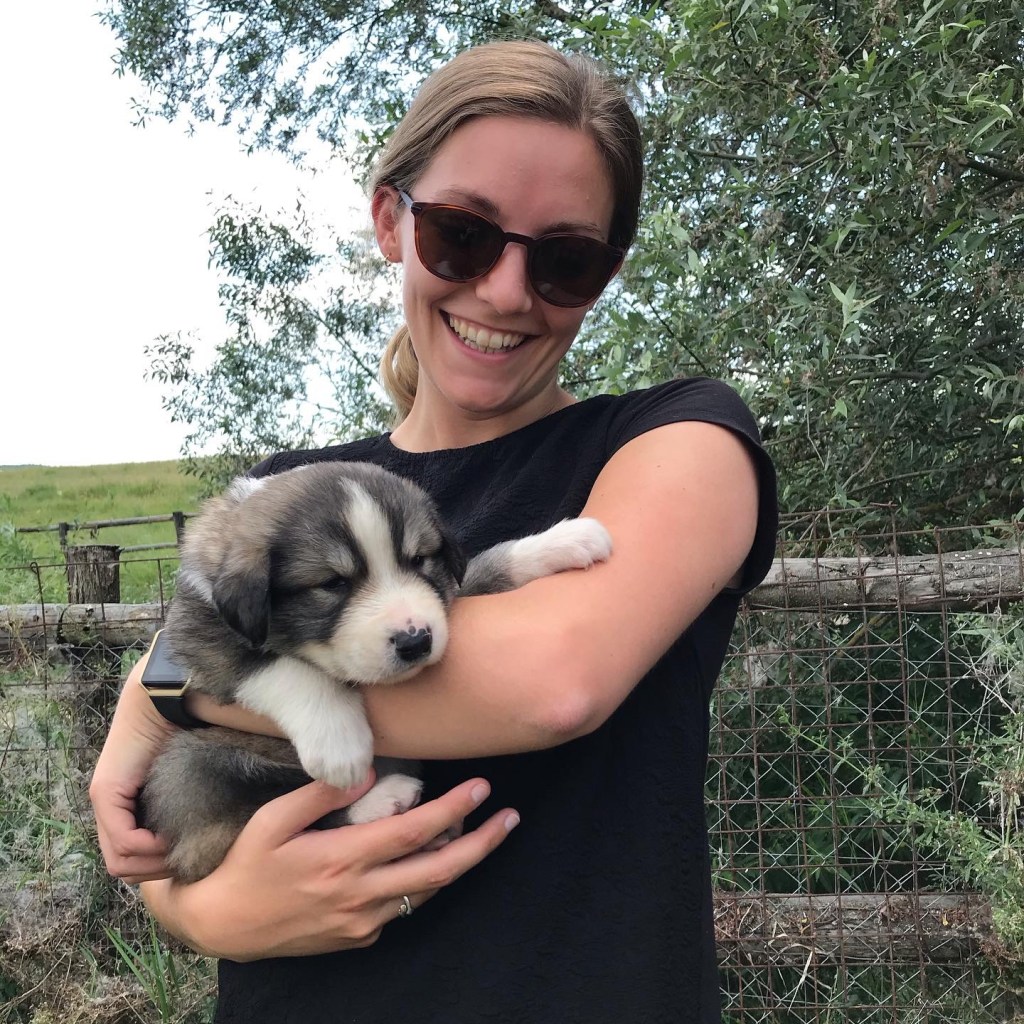
My research focuses on the use of decision science to aid small population recovery, and non-invasive monitoring to facilitate coexistence between people and wildlife.
Bethany R. Smith on ResearchGate
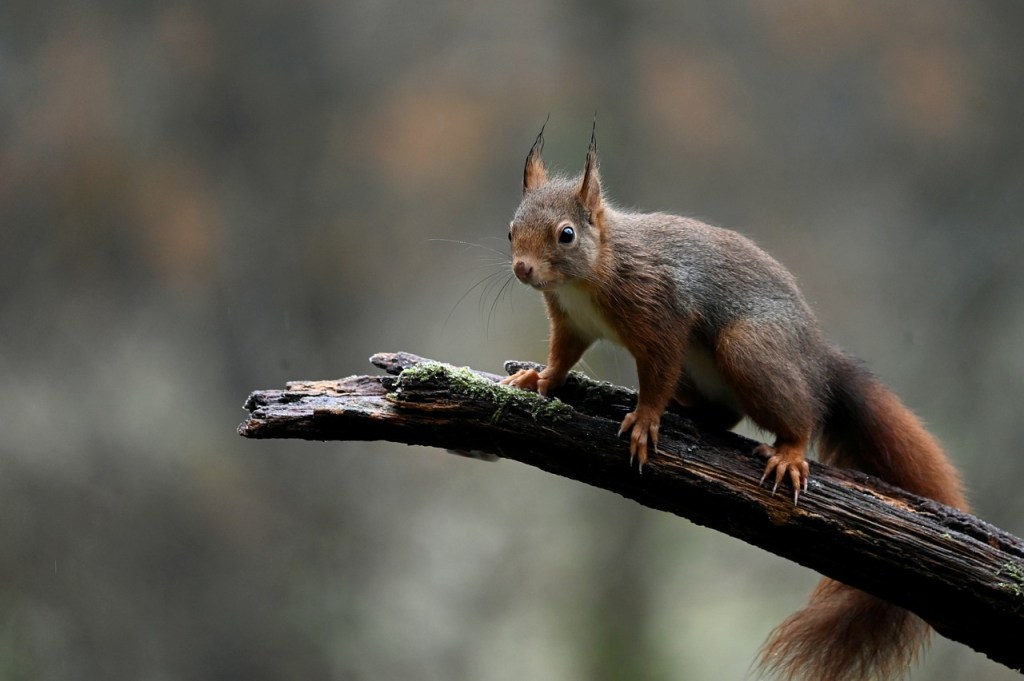
I am a Postdoctoral Research Assistant at the Institute of Zoology (Zoological Society of London) employing structured decision making to aid conservation efforts. I and the rest of the team are applying these methods to a range of scenarios but my main focus is to help develop a National Recovery Plan for red squirrels in England.
https://www.zsl.org/about-zsl/our-people/dr-bethany-r-smith
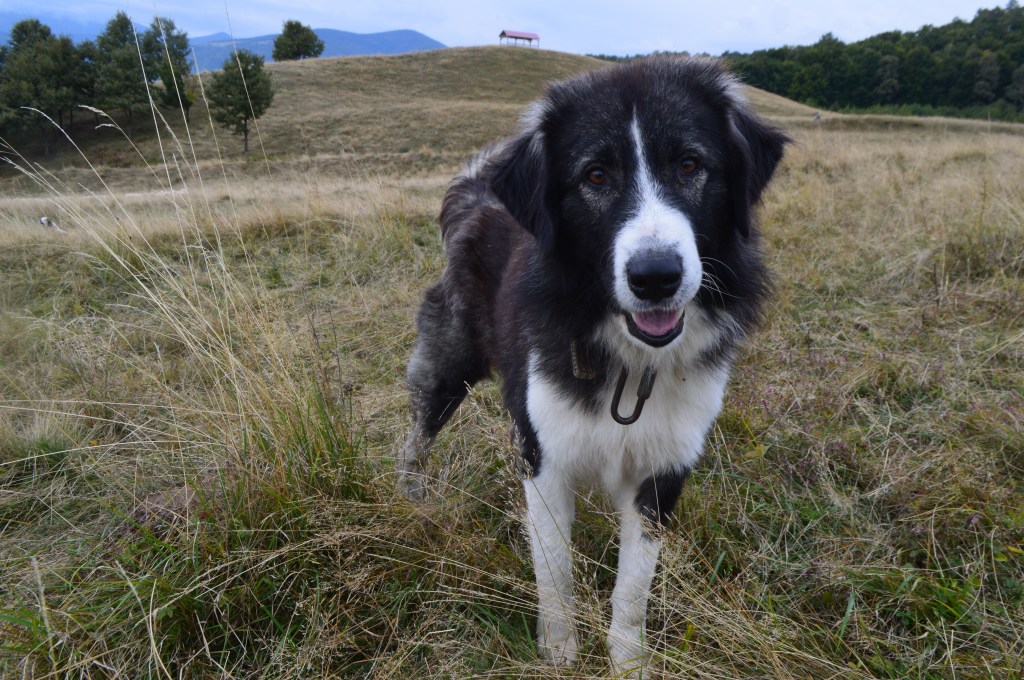
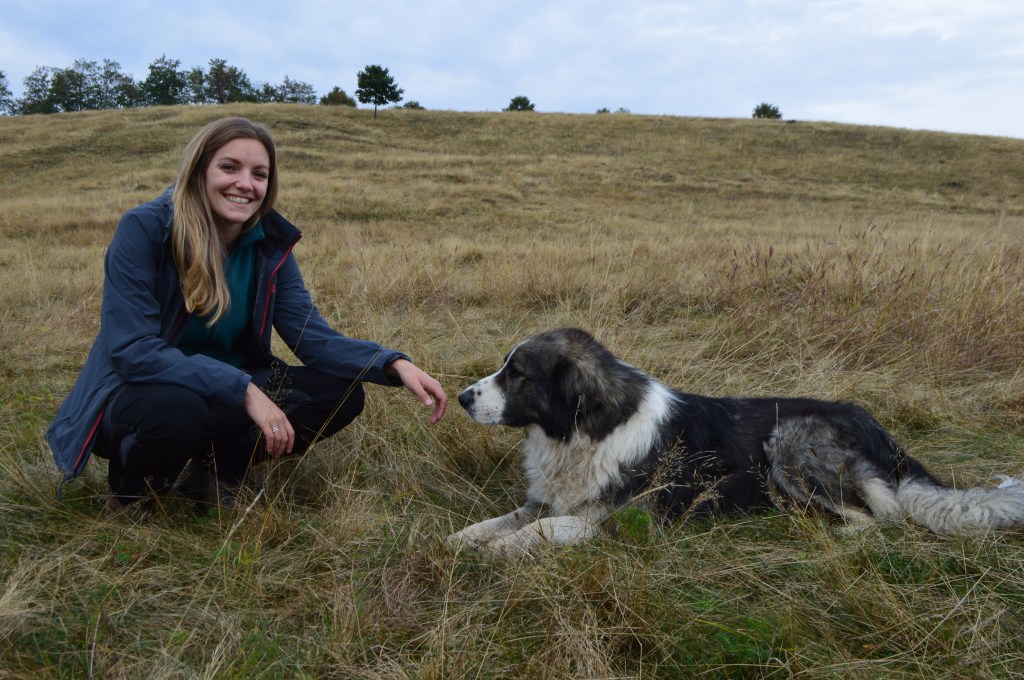
I conducted my PhD at Nottingham Trent University studying the ecological effects of livestock guarding dogs in collaboration with Fauna & Flora. My fieldwork was based in the Carpathian Mountains, Romania, where Fauna & Flora have been working on facilitating coexistence between people and large carnivores and providing Carpathian Shepherd dogs to shepherds to help protect livestock. You can read about Fauna & Flora’s work in Romania here. The main methods employed in my PhD fieldwork were GPS tracking, camera trapping, and dietary analyses.
I’m also really interested in bioacoustics and conduct independent research with the Canid Howl Project. We study how we can use passive acoustic monitoring as a non-invasive survey tool for conservation purposes.
Before starting my PhD I worked as Data & Information Officer for the Mammal Society, and also acted as their Student Representative throughout my PhD. In this role I coordinated the society’s annual University Mammal Challenge (UMAC); a competition in which student teams try to record as many mammals as possible on their university campuses. I also started a Student Spotlight feature to showcase the research of students working on UK mammals.
I have an MRes in Ecology, Evolution & Conservation from Imperial College London and a BA in Natural Sciences from the University of Cambridge. Throughout my undergraduate and master’s, my research topics were very varied but included: rewilding; environmental DNA (eDNA); wildlife responses to human disturbance; ecosystem engineering; and population dynamics. You can read about these projects under Past Research.
 Dr Bethany R. Smith